

Plants, Pathogens, and People
Course Code
BIOS 15127 20
Course Description
Students will explore the major plant disease causing pathogens and how scientists and farmers are working to protect our food supply. You will explore the biology of the major groups of disease-causing microorganisms (bacteria, fungi, oomycetes, viruses, and nematodes).
We will learn how plants are protected from infection - including protection from plant immunity, genetic improvement, and disease management practices. Additionally, we will discuss how plant pathogens have and continue to shape society - from the Irish Potato Famine to modern day disease epidemics.
Emphasis will be placed on understanding scientific research in the context of plant biology - from experimental design to data analysis. Students will apply their knowledge and critical thinking skills through case studies and analysis of new research findings. This course will encourage students to use their strengths and interests to explore plant pathology and will allow flexibility to explore student questions and curiosities.
Course Criteria
This course has a prerequisite of BIOS 10130 Principles of Biology, or BIOS 10140 Inquiry-based Exploration of Biology, or a score of 4 or 5 on the AP Biology test. It is not intended for biological sciences majors or students fulfilling requirements for admission into health professions graduate programs.
Instructor(s)
Katelyn Butler
Other Courses to Consider
These courses might also be of interest.
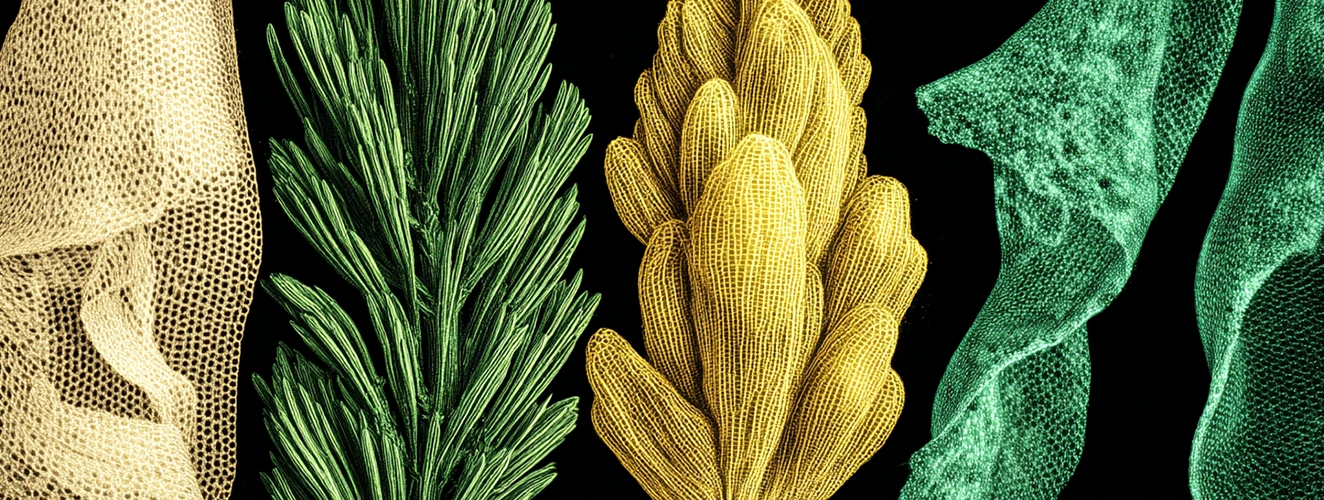 It's Not Easy Being Green: An Introduction to Plant Biology
During this course students will obtain a broad tour of plant biology as we explore the evolution, reproduction, physiology, genetics, and ecology of plants. We will explore the importance of plants to human society. Emphasis will also be placed on understanding scientific research - from experimental design to data analysis and future implications.
The course will feature a selection of readings from diverse perspectives about plants, their biology, and their cultural significance. We will encourage students to use their strengths and interests to explore the biology and significance of plants and will allow flexibility to explore student questions and curiosities.
Remote