

Elements of Economic Analysis 3
Course Code
ECON 20200 10
Course Description
As an introduction to macroeconomic theory and policy, this course covers the determination of aggregate demand (i.e., consumption, investment, the demand for money); aggregate supply; and the interaction between aggregate demand and supply.
We also discuss economic growth, business cycle, inflation and money.
Course Criteria
Prerequisites: ECON 20100/20110
Instructor(s)
Sergio Salas Landeau
Other Courses to Consider
These courses might also be of interest.
 Introduction to Macroeconomic Analysis: A Data Driven Approach
This course offers a comprehensive exploration of neoclassical macroeconomic models, designed for students who have previously studied the principles of macroeconomics.
The course is divided into five key modules: (i) economic growth and production, (ii) consumption and savings, (iii) government finances, (iv) money and the price level, and (v) unemployment. Throughout each module, we extensively utilize relevant data to enhance the understanding of theoretical concepts.
By the end of the course, students will not only possess the ability to interpret macroeconomic news and articles but also analyze policies through a model-based framework.
Residential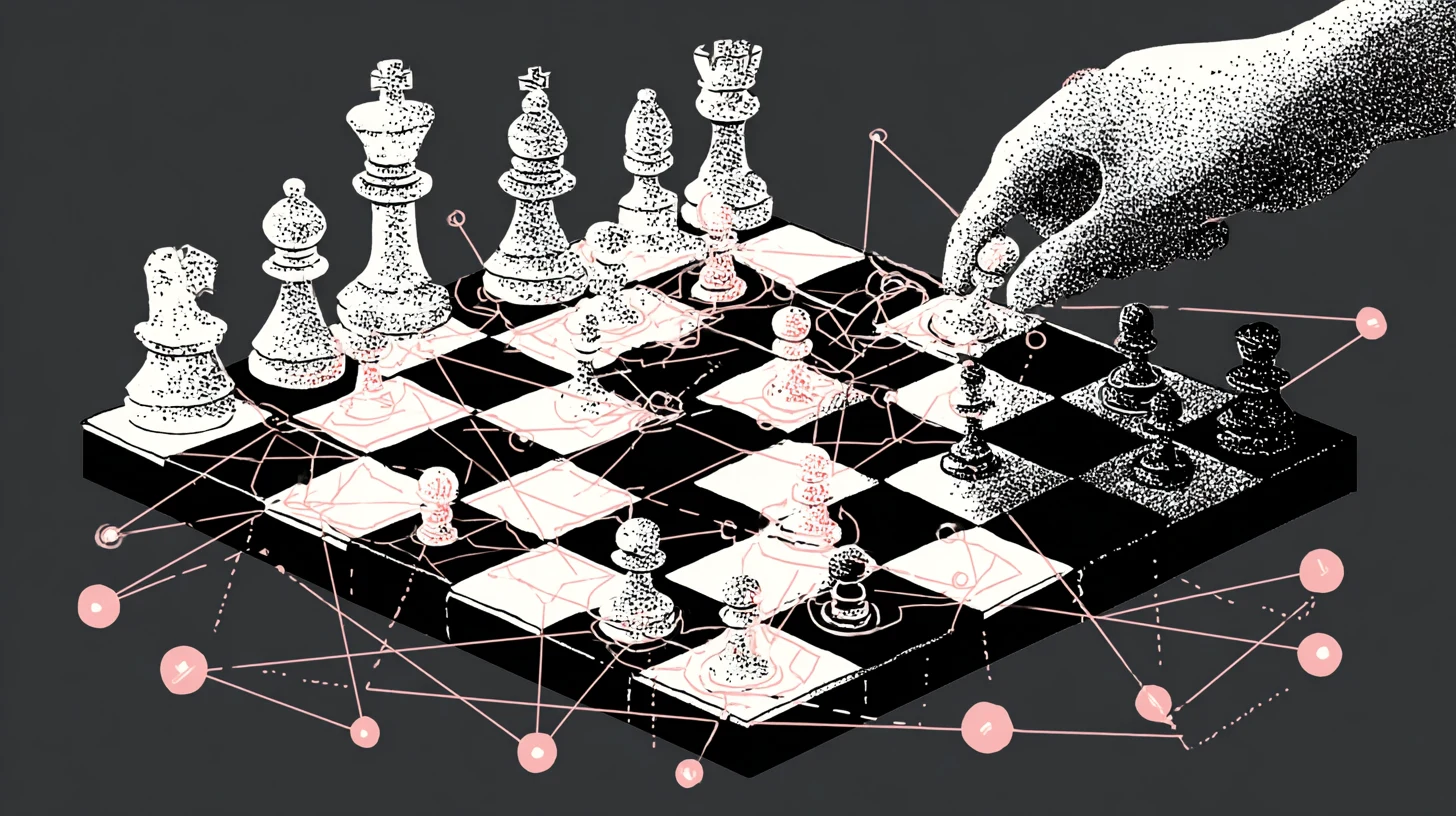 Introductory Game Theory (Session 3)
How should one bid at an auction in order to win at the lowest possible hammer price? How do firms behave when they possess market power but also face competition? Why do companies engage in R&D races in order to release their new products sooner than their competitors? Why do the Republicans and the Democrats almost always ended up choosing moderates as their party nominees in presidential races? To what extent can the veto power of presidents allow them to influence legislative outcomes?
To answer these questions, we study Games of Strategies, and explore how lessons learned from such games can guide one's thinking in everyday strategic interactions.
Residential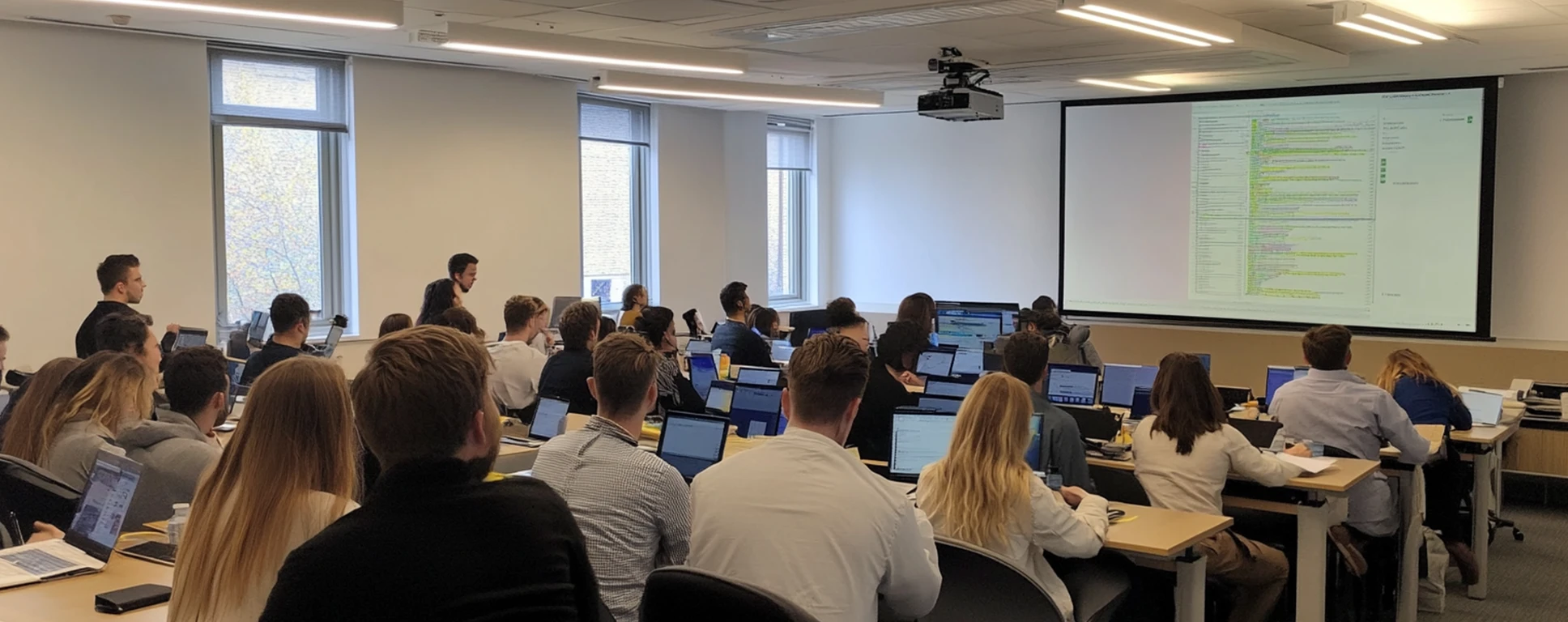 Introduction to Econometrics
The objective of this course is to introduce students to the practice of econometrics.
The course will focus on the use of multiple regression as a tool to establish causal relations.
The course emphasizes all steps of the process of empirical research: data collection, analysis, and presentation, both written and oral. Multiple examples of this process will be discussed.
You will be expected to read and evaluate existing research. You will apply the techniques discussed in class to a topic of your choosing. You will write a paper and present your results to the class.
Residential