
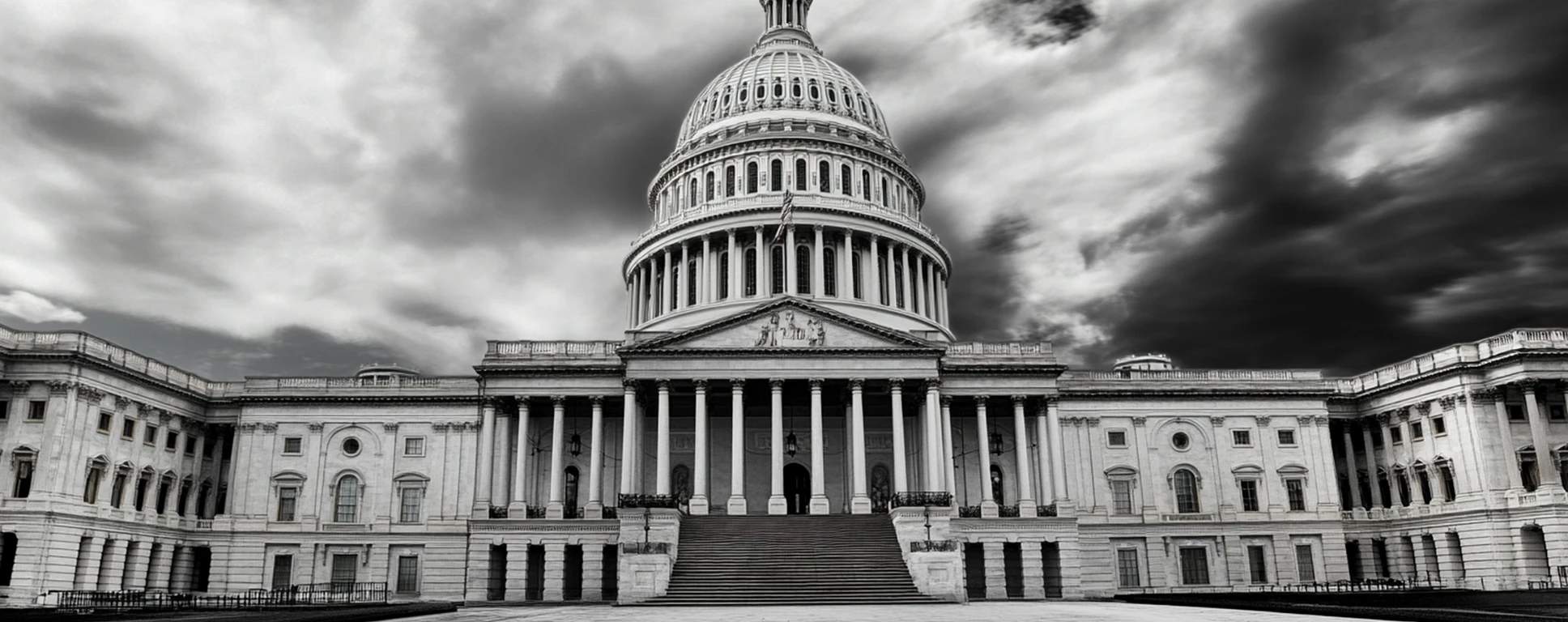
Congress in Chaos? Understanding Legislative Function and Dysfunction
Course Code
PLSC 24860 20
Course Description
This course will introduce students to the workings of the contemporary Congress. We will examine who runs for — and who wins — seats in Congress, the lawmaking processes in the House and Senate, and the roles of parties and leaders in the two chambers. We will take stock of changes in the operation of the House and Senate, focusing in particular on the problems associated with extended debate in the Senate and leadership selection in the House.
We will then consider Congress’s role as a policymaker. How does Congress make public policy? What factors inhibit legislative productivity? Who has input into the process? Finally, we will assess Congress’s performance during periods of economic, cultural, and political turmoil. Is policymaking too partisan or too hard to do well? Is the public’s disapproval of the first branch warranted?
Instructor(s)
Ruth Bloch Rubin
Other Courses to Consider
These courses might also be of interest.
 Introduction to the Philosophy of Mind
This course introduces students to issues and questions that have defined scholarship in the philosophy of mind as well as to prominent theories in the field.
Starting from Descartes and the articulation of a general "mind-body problem," we will go on to investigate particular mental phenomena (such as beliefs, emotions, sensations, and intentions) by considering what philosophers have said about them, drawing primarily from the 20th century and the analytic tradition. We will read works in Dualism, Identity-Theory, Functionalism, and Eliminativism.
Besides offering a brief survey of the field, this course will equip students with resources for evaluating whether some particular view provides an adequate account of human mindedness.
Remote