

Fundamentals of Psychology: Theory & Research
Course Description
This course introduces basic concepts and research in the study of human behavior. A breadth of topics will be included such as: sensation and perception, emotions, memory, development, and psychological disorders.
Lectures, readings (both textbook and academic journal articles), discussions, and field trips will give you an overview of the scientific study of psychology across areas of inquiry. Several topics throughout the course will also include hands-on psychological research lab demonstrations.
For the final project in the course, students, working in small groups, will develop and execute their own experimental research projects.
Course Criteria
This course is offered only to high school students.
Academic Interest
Psychology and Neuroscience, Social Sciences (e.g., history, psychology, sociology)
Application Materials
A complete application includes a transcript, two short essays, a letter of recommendation, writing sample, application fee, and a submitted parent confirmation. If you are seeking need-based financial aid, you must indicate that in your application before it is submitted. Please refer to the Application Instructions for complete details.
Instructor(s)
Kate O'Doherty
Cost
$9,300
Other Courses to Consider
These courses might also be of interest.
 Foundations of Psychological Research
This course introduces students to the basic concepts and methods used in conducting psychological research in order to gain understanding of how science can be used to answer questions about thoughts, emotions, and behavior.
Throughout the class, students will explore various research designs and how to create a research plan, reflect upon published psychological research in context, and interact with experimental psychologists.
In their final projects, students will pose a research question of personal interest and design a psychological study to answer this question using elements of methods they’ve learned in the class.
Remote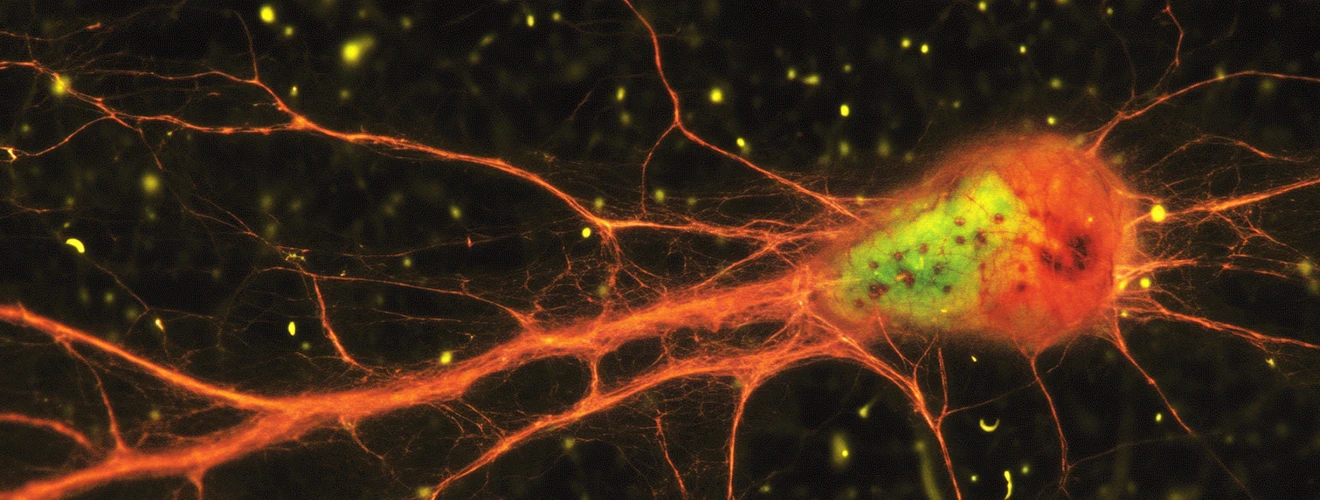 Explorations in Neuroscience: Neurons, Behavior, and Beyond
How does the brain work, and how do changes in brain structure and function give rise to neurological conditions and deficits? Developing a deeper understanding of the brain has been deemed one of the 21st century’s Grand Challenges, and this course will draw on different research methodologies to begin unraveling one of life’s greatest mysteries.
Through inquiry-driven investigations that include close examination of primary data, we will explore the mechanisms by which electrochemical and circuit activity in nervous systems give rise to sensation, perception, and behaviors, including, but not limited to, movement, language production, spatial navigation, emotional responses, sleep, and learning and memory.
Students will also be introduced to experimental and other methods used in neuroscience research (e.g. molecular (DNA and protein) sequence analysis, fluorescence microscopy of nervous tissue, and behavioral assays).
Finally, through our tour through nervous systems across phyla, we will develop and discuss insights into the evolution history and inner workings of our own brain.
Residential Understanding AI: AI Through a Technical, Socio-Ethical, and Career Development Lens
Generative AI, large language models (LLMs) -- these buzzwords have been popping up in newsrooms, classrooms, and dinner tables. This discussion-intensive, hands-on course provides students with a foundational understanding of AI through a technical, socio-ethical, and career development lens. No prior computing or AI experience is necessary to take this course. This class will give students the opportunity to:
Week 1: Understand topics like the training process behind LLMs and apply what they learned to design their own chatbot.
Week 2: Critically evaluate the impacts of LLMs on society and design a public-facing media piece that raises awareness about their impacts and responsible use.
Week 3: Assess how LLMs might change the future of jobs by using historical events to inform future predictions. Students will develop their own 5-year plans to think about the potential careers they are interested in pursuing and the corresponding skill sets required.
Across the 3 weeks, researchers and industry professionals will visit the class to share their expertise and to help students understand how design choices, ethical considerations, and real-world motivations shape the development and impact of LLM systems.
Residential