
Explorations in Neuroscience: Neurons, Behavior, and Beyond
Course Description
How does the brain work, and how do changes in brain structure and function give rise to neurological conditions and deficits? Developing a deeper understanding of the brain has been deemed one of the 21st century’s Grand Challenges, and this course will draw on different research methodologies to begin unraveling one of life’s greatest mysteries.
Through inquiry-driven investigations that include close examination of primary data, we will explore the mechanisms by which electrochemical and circuit activity in nervous systems give rise to sensation, perception, and behaviors, including, but not limited to, movement, language production, spatial navigation, emotional responses, sleep, and learning and memory.
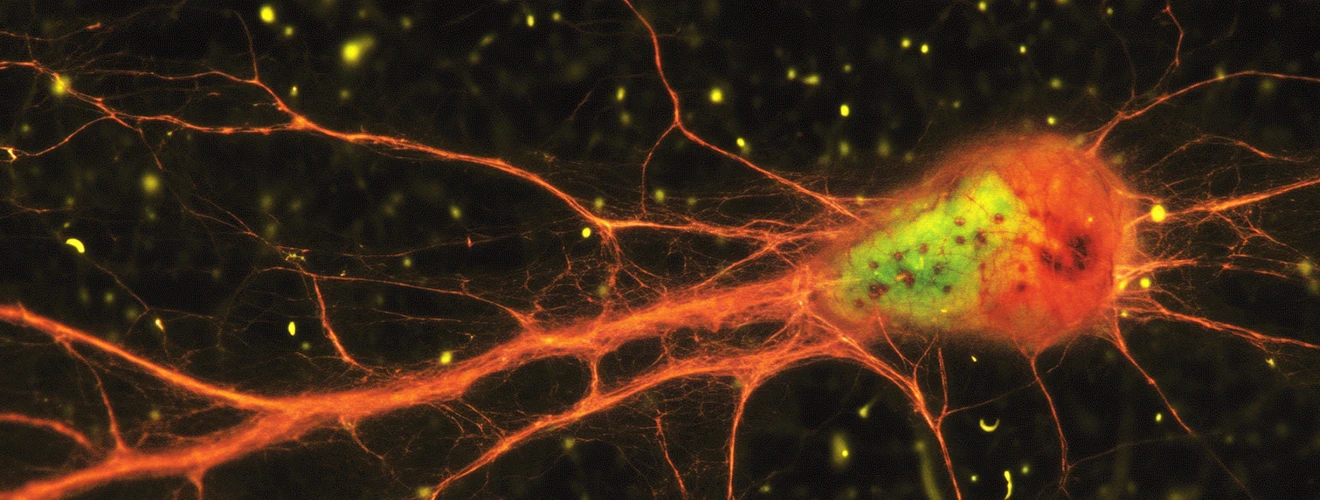
Students will also be introduced to experimental and other methods used in neuroscience research (e.g. molecular (DNA and protein) sequence analysis, fluorescence microscopy of nervous tissue, and behavioral assays).
Finally, through our tour through nervous systems across phyla, we will develop and discuss insights into the evolution history and inner workings of our own brain.
Course Criteria
Students should have completed at least one year of high school biology.
Academic Interest
Biological Sciences, Psychology and Neuroscience
Application Materials
A complete application includes a transcript, two short essays, a letter of recommendation, writing sample, application fee, and a submitted parent confirmation. If you are seeking need-based financial aid, you must indicate that in your application before it is submitted. Please refer to the Application Instructions for complete details.
Instructor(s)
Megan McNulty-White
Cost
$9,300
Other Courses to Consider
These courses might also be of interest.
 Biotechnology for the 21st Century - Session 1
This course is designed to provide a stimulating introduction to the world of biotechnology.
Starting with an overview of the basic concepts of molecular biology and genetics that serve as a foundation for biotechnology, the course will segue into the various applied fields of biotechnology. Lectures and some of the corresponding hands on experiments will include microbial biotechnology, agricultural biotechnology, biofuels, cloning, bioremediation, medical biotechnology, DNA fingerprinting and forensics.
The goal of this course is to provide students with an appreciation of important biotechnology breakthroughs, the techniques involved and the associated bioethics issues.
Residential Foundations of Psychological Research
This course introduces students to the basic concepts and methods used in conducting psychological research in order to gain understanding of how science can be used to answer questions about thoughts, emotions, and behavior.
Throughout the class, students will explore various research designs and how to create a research plan, reflect upon published psychological research in context, and interact with experimental psychologists.
In their final projects, students will pose a research question of personal interest and design a psychological study to answer this question using elements of methods they’ve learned in the class.
Remote