
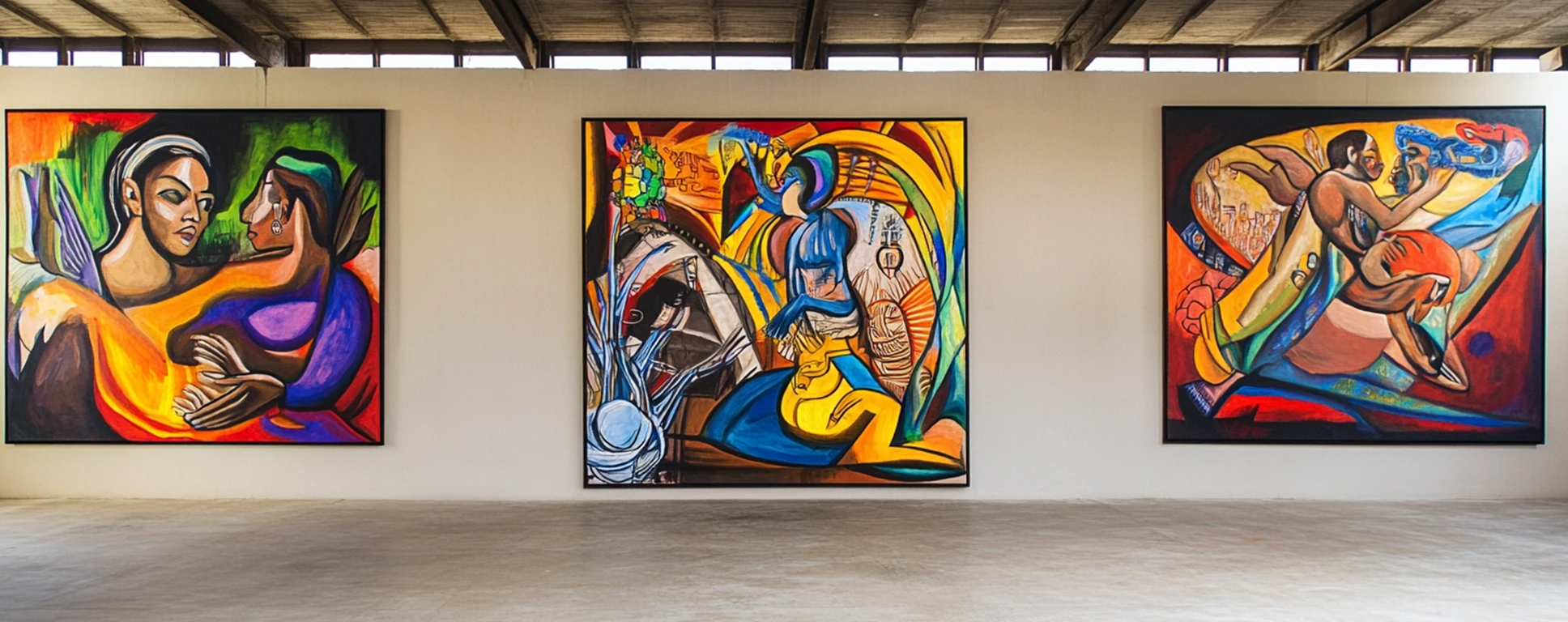
Modern Latin American Art
Course Code
ARTH 16460 10
Cross Listed Course Code(s)
LACS 16460 10
Course Description
This course investigates the development of Latin American art from the early nineteenth century to the present. Through the study of representative artists, movements, and works, we will trace this history from the formation of art academies in newly independent Latin American nations through the region’s rise to prominence in an increasingly global art world.
Although we will adhere to a roughly chronological organization, a set of key themes and debates will likewise structure our investigation. Among them are: the formation of collective identities (and the intersections of race, class, and nation); the impact of social and political revolutions and counter-revolutions on artistic practices; the reception and adaptation of indigenous and European (and later U.S.) art practices; and the various national, regional, and global frameworks that have been used to think through the specificity of art production from Latin America.
Special emphasis will be placed on developing the skills needed to analyze a wide variety of modern and contemporary art, including painting, sculpture, photography, performance art, and site-specific installations.
Course Criteria
This course is primarily comprised of undergraduate students. A select number of places are reserved for advanced high school students.
The cost of this course for pre-college students is $4,980
Instructor(s)
Megan Sullivan
Start Your ApplicationOther Courses to Consider
These courses might also be of interest.
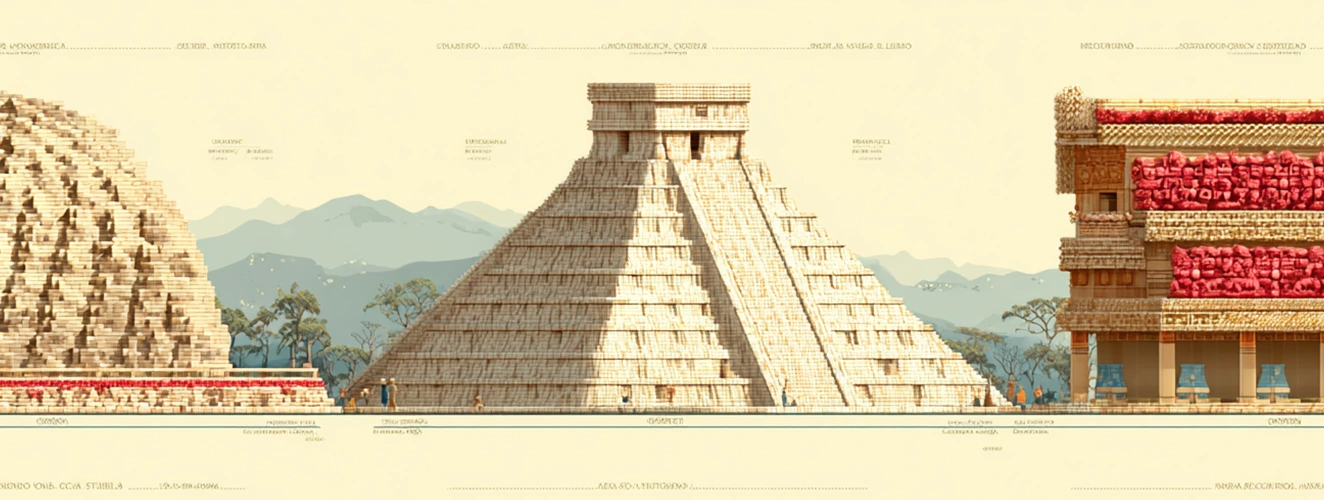 Mesoamerican Architecture
This course will examine the range of architectural expression in Mexico, Guatemala, Honduras, and Belize from 1500 BCE to 1600 CE.
Using a relatively simple vocabulary of elements (house, pyramid, plaza, ballcourt, and road), each Mesoamerican city constructed a distinctive visual identity, exquisitely attuned to the surrounding environment. Moving city by city over time, we will look closely at individual buildings as well as the spatial relationships between structures.
At the end of the course, students will have honed their ability to analyze architectural space and its representations, and to write cogently about what they see.
Remote