
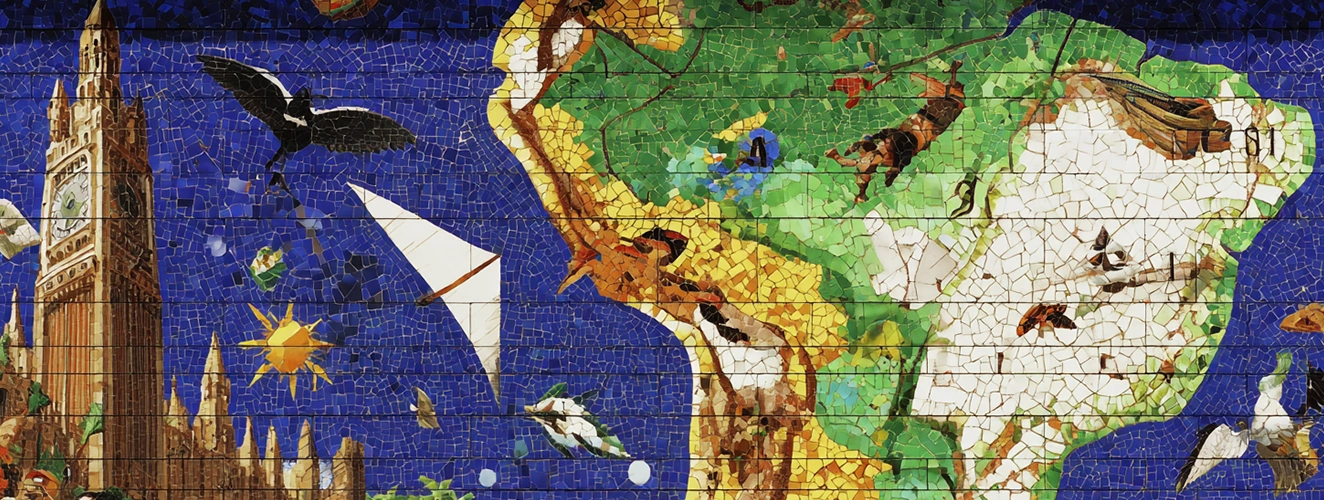
Introduction to Latin American Civilization III
Course Code
LACS 16300 10
Cross Listed Course Code(s)
ANTH 23103, HIST 16103, SOSC 26300
Course Description
This sequence introduces students to the history and cultures of Latin America, an area of the world that includes Mesoamerica (Mexico and Central America), South America, and the Caribbean. It focuses on the long twentieth century (1870+), with emphasis on how Latin American peoples and nations have grappled with the challenges of development, inequality, imperialism, revolution, authoritarianism, racial difference, migration, urbanization, citizenship, violence, and the environment.
Course Criteria
Taking these courses in chronological sequence is not required. This sequence meets the general education requirement in civilization studies and is open to first-year students.
This course is primarily comprised of undergraduate students. A select number of places are reserved for advanced high school students.
The cost of this course for pre-college students is $4,980
Instructor(s)
Mauricio Tenorio
Start Your ApplicationOther Courses to Consider
These courses might also be of interest.
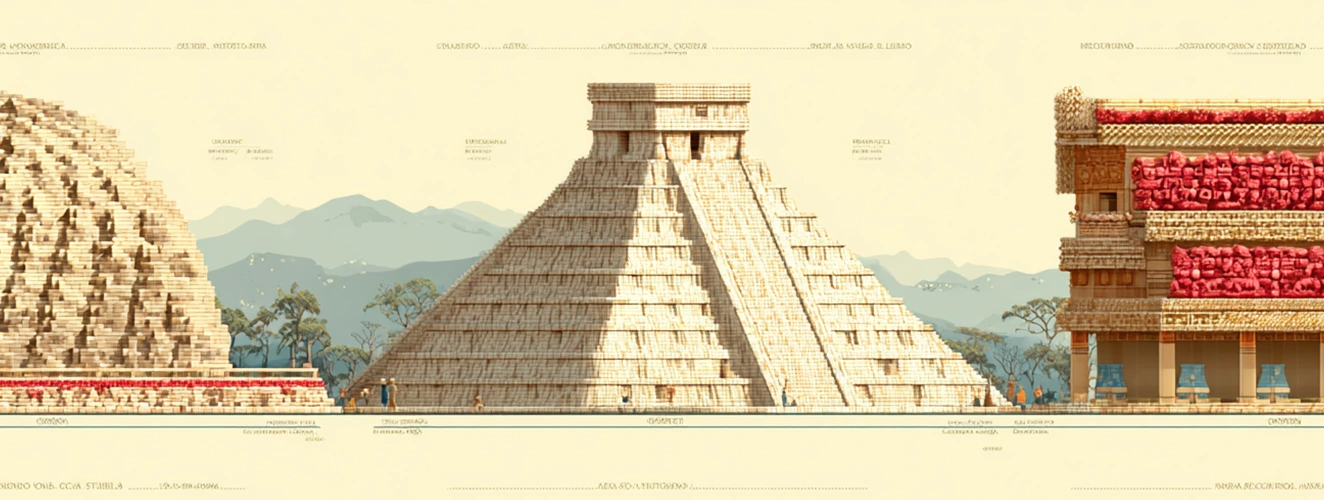 Mesoamerican Architecture
This course will examine the range of architectural expression in Mexico, Guatemala, Honduras, and Belize from 1500 BCE to 1600 CE.
Using a relatively simple vocabulary of elements (house, pyramid, plaza, ballcourt, and road), each Mesoamerican city constructed a distinctive visual identity, exquisitely attuned to the surrounding environment. Moving city by city over time, we will look closely at individual buildings as well as the spatial relationships between structures.
At the end of the course, students will have honed their ability to analyze architectural space and its representations, and to write cogently about what they see.
Remote